
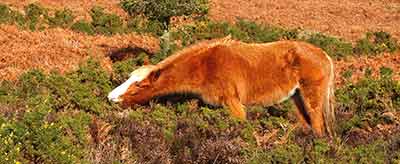
For comprehensive information about the New Forest National Park
***** For information about New Forest access restrictions and related matters, check out the Forestry England website. *****
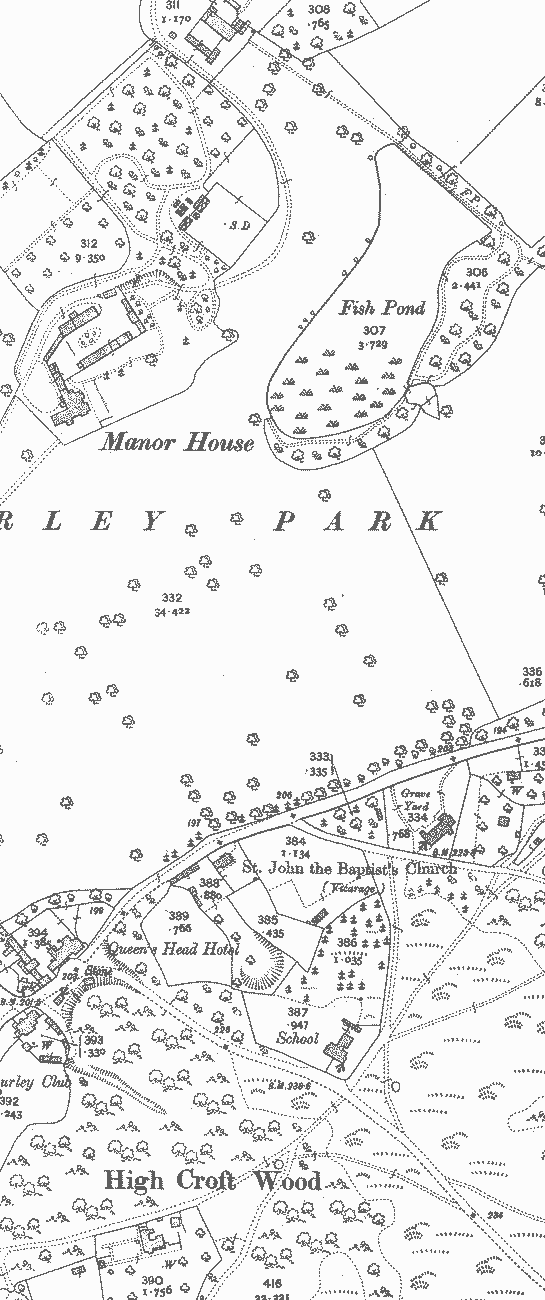
Burley - 1909 Ordnance Survey Map
New Forest Explorers Guide - home page
More links
New Forest heritage - introduction
Other related links
Burley history - introduction and topic links
New Forest Heritage
Search this site
** New Forest ponies and other animals**
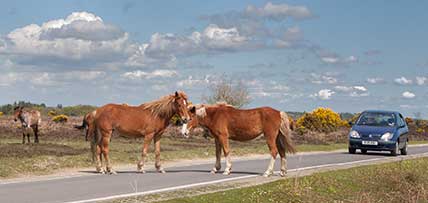
Sadly, 58 animals were killed - 35 ponies, 13 cows, 8 donkeys and 2 sheep, whilst a further 32 were injured - 3 pigs, 9 donkeys, 11 cows and 9 ponies.
(Forty-three accidents occurred in daylight, 15 at twilight and 101 in the dark. Twenty-seven accidents were not reported by the driver involved).
Here's just one horrific example - Three donkeys killed in collision with van at notorious New Forest blackspot (Advertiser and Times)
** Always take care when driving **
The Glorious New Forest
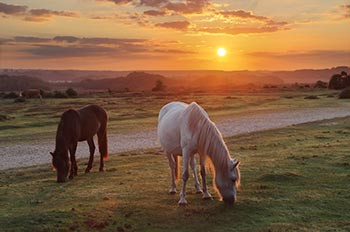
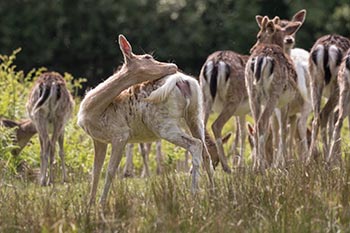
Marvellous landscapes, marvellous wildlife
New Forest seasonal highlights
SeptemberDragonflies and damselflies remain on the wing and so do butterflies, but in ever decreasing numbers.
Hen harriers and other autumn and winter visiting birds begin to arrive in the Forest.
New Forest fungi - mushrooms and toadstools increasingly appear in the woods.
Red deer start to noisily rut as stags roar songs of love across favoured heaths.
October
Ancient, unenclosed woodlands and broad-leaved inclosures increasingly take on colourful autumnal hues.
Grey squirrels frantically seek out and store acorns for use during the cold days of winter.
Fallow deer boisterously rut for two or three weeks around the middle of the month before the bucks leave the does and eventually re-form their own male-only 'buck herds'.